Where Are All the Men? Why Adult Adoptee Spaces Are Overwhelmingly Female
It isn’t because fewer boys were adopted. It’s because most men still treat vulnerability as a threat—and adoption communities pay the price.
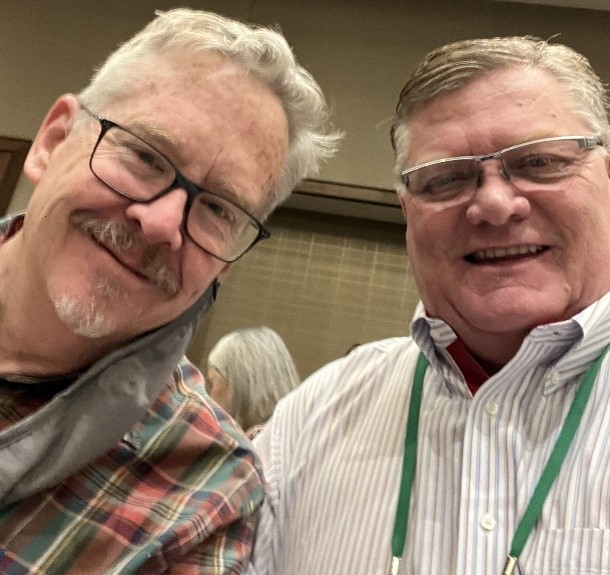
By David B. Bohl and Rich Uhrlaub
Spoiler Alert:
Q: Why are there so few men in the adult adoptee community?
A: Primarily because of gender norms around emotional vulnerability and help-seeking, not because there are far fewer male adoptees.
Adult adoptee spaces—Facebook groups, support groups, conferences, advocacy networks, and online communities—are consistently and heavily female-dominated. Observers (including male adoptees writing about it) routinely describe ratios like a handful of men versus hundreds or thousands of women. A 2023 survey of 337 adoptees found women significantly more likely to identify as members of the “adoptee community.” A 2026 UK survey of 225 adopted people was 84% women and 15% men. Scoping reviews of peer support groups note the same pattern.
This is not explained by birth or adoption rates. Roughly half of adoptees are male. Historical domestic U.S. adoptions were roughly balanced (with some periods or contexts showing mild preferences for girls). International adoptions have varied by country and era (e.g., historically more girls from China), but the overall picture does not produce the extreme underrepresentation seen in communities. The same gender skew appears in related spaces such as NPE/MPE (not parent expected / misattributed parentage) DNA surprise groups.
Main drivers
- Socialization around masculinity and emotion: Many men are raised with the message that expressing vulnerability, grief, or identity struggles is weak or unmanly. Support groups and community spaces center on talking about loss, rejection, identity, loyalty conflicts, and ambiguous grief—topics that can feel emasculating or pointless if the cultural script is “rub some dirt on it and move on.” Therapists and male adoptees describing these spaces note the fear of being judged as weak, lower trust in male peers for emotional disclosure, and a preference for solution-focused approaches over process-oriented talking.
- Achievement-oriented priorities and delayed impact: Men are often socialized (and rewarded) to derive primary value and identity from achievements, competence, work, status, and external accomplishments rather than from relationships, emotional processing, or reflective identity work. This can keep adoption-related losses and questions in the background for years while men focus on building careers, proving themselves, or “getting on with life.” The relational and existential weight of adoption—questions of belonging, origin, loyalty, and “who am I without the story I was given”—frequently surfaces later, often in middle age when career peaks, mortality awareness, legacy concerns, or relationship patterns force a reckoning. This matches observations (including from Nancy Verrier) that many male adoptees don’t deeply confront these issues until midlife.
- Later-life aversion to drama and confrontation: As men age, many become more averse to interpersonal drama, emotional intensity, and confrontation. Adult adoptee communities frequently involve raw discussions of abandonment, family loyalty conflicts, reunion fallout, identity upheaval, and systemic critique—topics that can feel high-drama or high-conflict. Once men have established careers, families, or stable routines, the cost of reopening those wounds (or navigating the potential relational turbulence that comes with search, reunion, or group processing) often outweighs the perceived benefit. This aversion further delays or discourages participation even when the underlying issues remain.
- Later-life battle fatigue: Many men reach midlife or later with a form of emotional and psychological battle fatigue after decades of navigating work stress, providing, competing, problem-solving, and containing difficult feelings. By that point, the prospect of opening another front—revisiting adoption-related loss, identity questions, family dynamics, or joining a community that centers ongoing emotional processing—can feel exhausting rather than helpful. The cumulative toll of “pushing through” for years leaves limited reserves for the kind of sustained vulnerability and reflection that adult adoptee spaces typically require. This fatigue can make continued avoidance or private coping feel like the lower-cost option.
- Broader help-seeking patterns: Men are less likely overall to seek professional mental health support or join peer groups for psychological distress. Adoption-related communities show the same disparity. Some male adoptees report lurking in groups for a long time before posting, or only engaging after a crisis or later in life.
- Feedback loops: Female-majority spaces can feel less relatable or inviting to some men, reinforcing under-participation. Frankly, the advanced intuition and sophisticated processing abilities hard-wired into many women can leave a neophyte male adoptee feeling overwhelmed and in over his head. Rather than trying to consume the emotional/psychological/relational spaghetti in one sitting, many men prefer to eat the waffle one square at a time. Dedicated men-only groups exist precisely because of this mismatch and report value when men have space to move at a pace and in a style that feels manageable.
- Externalizing vs. community-seeking: Male adoptees are overrepresented in certain negative outcomes (juvenile justice, substance issues, some mental health and suicide statistics relative to expectations). This suggests the underlying impacts of relinquishment and adoption are present, but more often expressed through anger, isolation, achievement-driven distraction, or other channels rather than joining identity/support communities.
For many men the decision ultimately comes down to a straightforward cost-benefit analysis: Is the juice provided by some “support” groups worth the squeeze of enduring the conflicts, egos, shenanigans, and high-spirited debate? When the expected payoff looks modest relative to the emotional overhead, drama, and time required, staying on the sidelines can feel like the more rational choice.
And maybe, just maybe, some male adoptees aren’t by definition “in the fog,” have adopted a more sanguine attitude about their reality, and are living reasonably satisfied lives and don’t feel the need to open Pandora’s Box at this time.
____________
There are active male adoptee advocates, authors, podcasters, and facilitators, and men-only or men-focused groups continue to form. The scarcity is real and persistent, but it tracks with well-documented gender differences in emotional disclosure and community-building around personal/trauma topics rather than a shortage of male adoptees themselves.
Here’s a practical list of resources related to the scarcity of men in adult adoptee communities, plus places where male adoptees can find peer support.
Articles & Essays on the Topic
“Why Don’t Men Want to Talk About it?” by Brad Ewell (*Severance Magazine*, 2021) — Direct discussion of the male/female imbalance in NPE/MPE and related support groups, including input from therapists.
https://severancemag.com/why-dont-men-want-to-talk-about-it/
“Wild Dogs in the Basement: The Enigmatic Male Adoptee” (ASRC, 2017) — Essay exploring why male adoptees are underrepresented in advocacy, social media, and reform efforts.
“Where Are Male Adoptees?” by Adam Bryant (*Medium*, 2024) — Observation of the relative absence of male voices in adoption organizations, blogs, and public conversations.
https://adamsjbryant.medium.com/where-are-male-adoptees-f49c331081d3
Research & Data
SSWR 2024 abstract: “Exploring the Characteristics of Adoptees Who Identify As Members of the Adoptee Community” — Survey of 337 adoptees found women were significantly more likely than men to identify as members of the adoptee community.
https://sswr.confex.com/sswr/2024/webprogram/Paper54471.html
How To Be Adopted (UK) 2026 survey — Of 225 respondents, 84% women, 15% men.
https://howtobeadopted.com/blog/2026/2026-htba-survey-results
Scoping review of peer-based adoptee support groups noting consistent female majorities (2025).
https://www.tandfonline.com/doi/full/10.1080/10926755.2025.2549326
Men-Specific Peer Support Groups
Adoption Search Resource Connection ASRC
- Free monthly online group open to male-identifying adoptees.
Main site: https://www.asrconline.org/
- Male Adoptee/Alumni Impact Summit
Adoption Knowledge Affiliates (AKA) – Men Adoptees’ Peer Support Group
Free monthly online group open to male-identifying adoptees.
Main site: https://www.adoptionknowledge.org/peer-support-groups.html
Eventbrite registration (recurring): search “Men Adoptees’ Peer Support Group” on Eventbrite or check AKA’s events page.
Occasional specialized groups (e.g., intercountry adoptee men groups in Australia via Relationships Australia SA / ICAV networks; “Fathers and Sons” style groups for men impacted by forced adoption).
Broader Adult Adoptee Support & Community Resources
National Association for Adoptees and Parents (NAAP)
Adoption Knowledge Affiliates (AKA) — Multiple free monthly peer groups (adoptees, women adoptees, cross-cultural, estrangement, DNA discoveries, etc.) plus educational events.
https://www.adoptionknowledge.org/
C.A.S.E. Adult Adoptee Support Group — Monthly virtual group facilitated by adult adoptees.
UK Adult Adoptee Movement — Peer spaces, events, and advocacy.
InterCountry Adoptee Voices (ICAV)** — Resources and groups for intercountry adoptees.
https://intercountryadopteevoices.com/
Additional Notes
- Many general adult adoptee Facebook groups and Meetup groups exist; men are usually a small minority but are present.
- Dedicated men-only spaces are still relatively rare, which is why groups like AKA’s men’s group fill an important niche.
- Groups and schedules change, so it’s best to check the organizing site or Eventbrite for the most current registration links and times.
Authors:
David B. Bohl
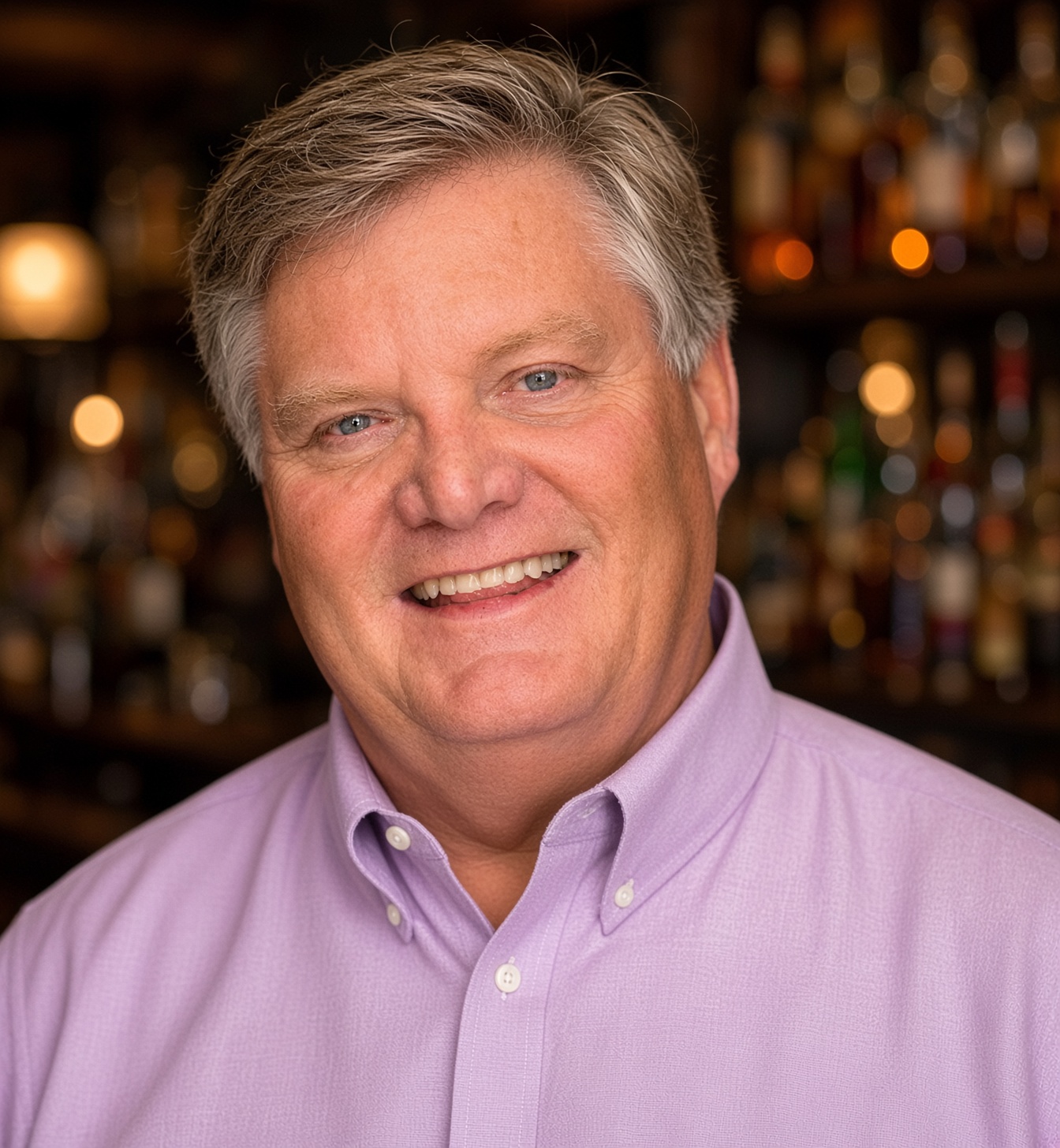
David B. Bohl is a Relinquishee, Adoptee, MPE, Author, Speaker, and Person in long-term recovery who specializes in the intersection of relinquishment trauma and addiction. Drawing from both extensive clinical training and deep personal experience as a relinquishee, adoptee, and Misattributed Parentage Event (MPE) survivor, as well as a Clinical Substance Abuse Counselor and Master Addition Counselor, he dedicates his work to helping individuals navigate family-of-origin separation and recovery. He holds a Master of Addiction Studies and maintains specialized credentials—including CSAC, MAC, and LADC certifications—across Wisconsin and Minnesota. Beyond his clinical practice, Bohl is a powerful voice in advocacy, serving as an advisor for the Wisconsin Family Connections Center and a past Board Member of the National Association of Adoptees & Parents. He has further illuminated these complex themes through his writing, most notably in his memoir, Parallel Universes: A Story of Rebirth, and the monograph Relinquishment and Addiction: What Trauma Has to Do With It.
Rich Uhrlaub
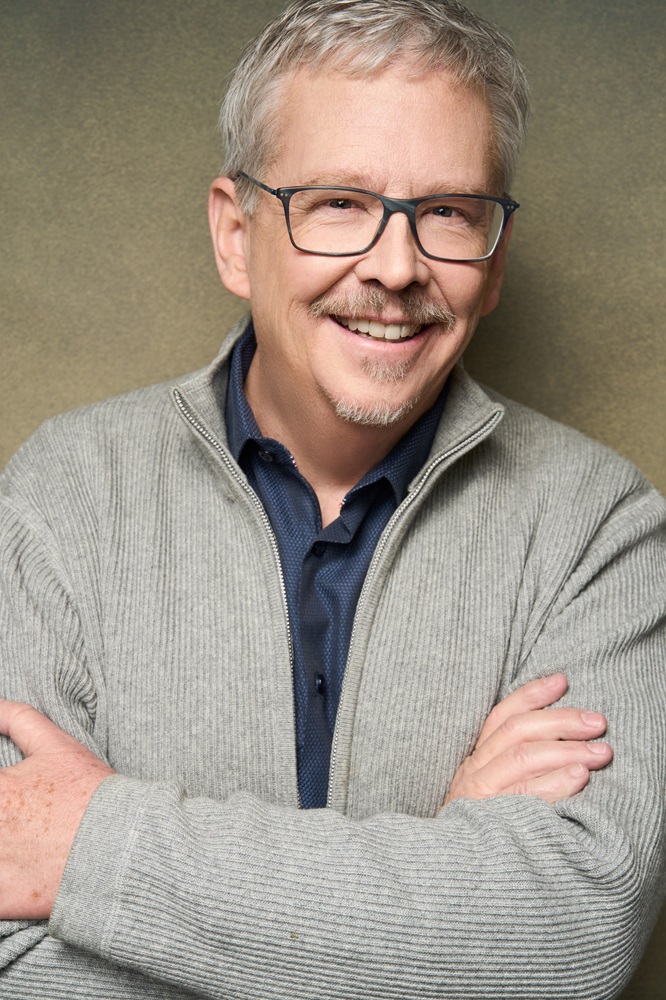 Rich Uhrlaub serves as president of Adoption Search Resource Connection and the Coalition for Truth & Transparency in Adoption. He is part of a team that has seen multiple bills signed into law, to the benefit of adult adoptees, parents by birth and adoption, and foster youth. Rich has presented and facilitated at various conferences nationwide. He has been interviewed for local and national radio, television and newspaper stories. Rich’s opinion pieces and letters to the editor have appeared in the Colorado Sun and the Denver Post. He is a contributing author of Finding Our Place: 100 Memorable Adoptees, Fostered Persons and Orphanage Alumni (2010), and Adoption and Mothering (2012). Rich has visited a Russian orphanage, and has served as a consulting resource for teams of visiting adoption professionals and government officials from Japan and Croatia. : Rich wrote the book, music and lyrics to “For the Record(s)” – a new musical in development receiving rave reviews. www.ftrmusical.com His professional background includes leading the Learning Solutions Team and Management Competencies Program for an international technology firm; telecommunications and digital marketing sales; and medical-legal claims and risk management in the private and public sectors. Relinquished and adopted at three weeks old, Rich located and connected with his family of origin in 1995.